
Body Horror as a Language of Grief
Why the flesh keeps transforming on screen whenever cinema has to talk about loss.
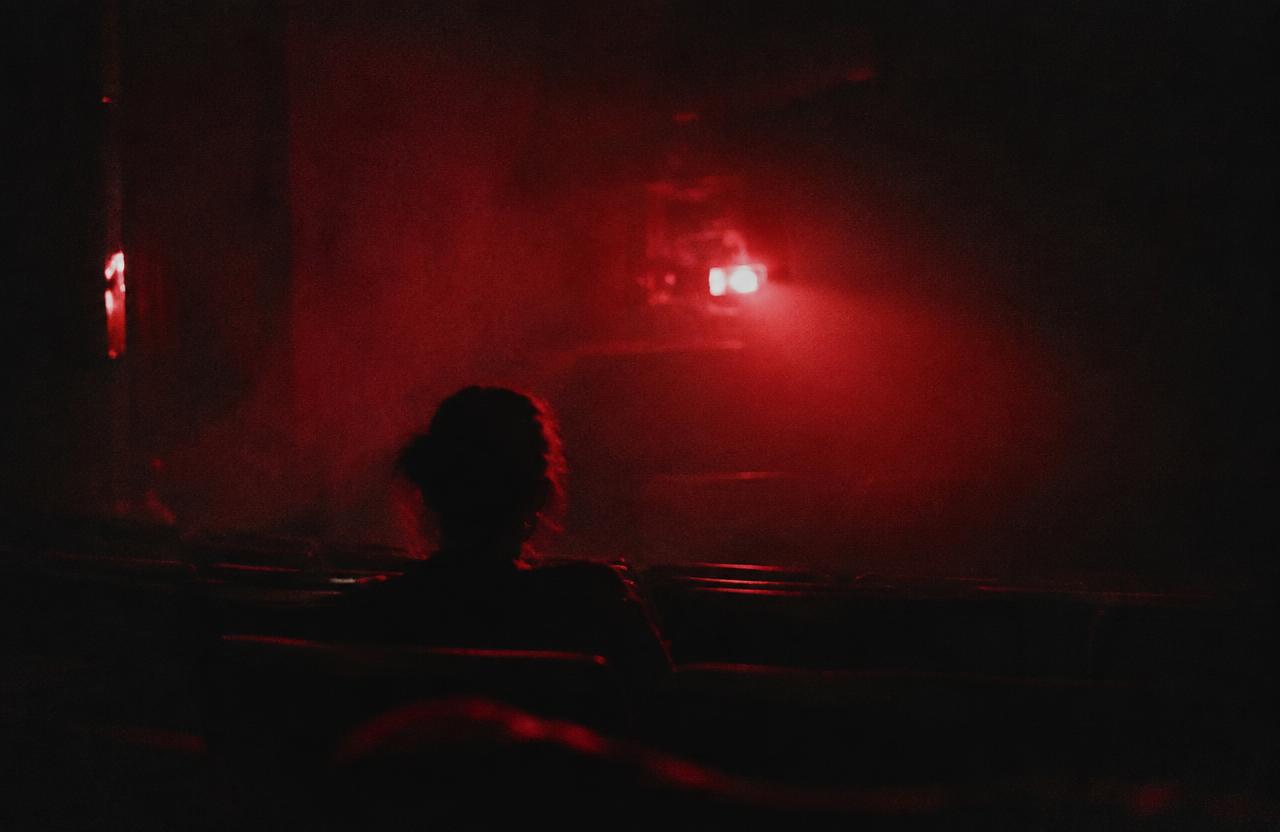
Body horror gives grief a surface. Skin splits, bones shift and familiar faces become strange because loss has already made the ordinary body feel unreliable.
The most affecting films in the form do not treat transformation as punishment. They use it to show mourning as a physical process: invasive, repetitive and impossible to keep politely out of view.
Practical effects matter here because texture creates empathy. Latex, fluid and imperfect movement keep pain material, resisting the clean distance that digital spectacle can impose.
When the body changes on screen, grief stops being an invisible idea. It becomes architecture, something characters must inhabit even when they no longer recognize the rooms.
Collector of strange images and forgotten scenes. Believes art is a way of questioning the world, not decorating it.
// Deeper into Movies
Movies / Reviews9/10The Projectionist Never Sleeps
A slow-burning nightmare set inside a dying cinema — and the year's most haunting debut.
DTRZ · 28 SEPT 2026 · 7 min
Movies / ThrashIn Defense of the Absolutely Terrible
A love letter to the cursed creature features that shaped our taste.
DTRZ · 30 AUG 2026 · 5 min